

Historic buildings often hold remarkable secrets beneath the surface, and a recent condition survey by Whitworth revealed that one Grade II listed Suffolk cottage is even older than previously believed.
Officially listed as a 17th-century thatched cottage, the modest property retains a simple external appearance, complemented by a more modern rear extension. However, a closer inspection uncovered a wealth of historic features that tell a much richer story.
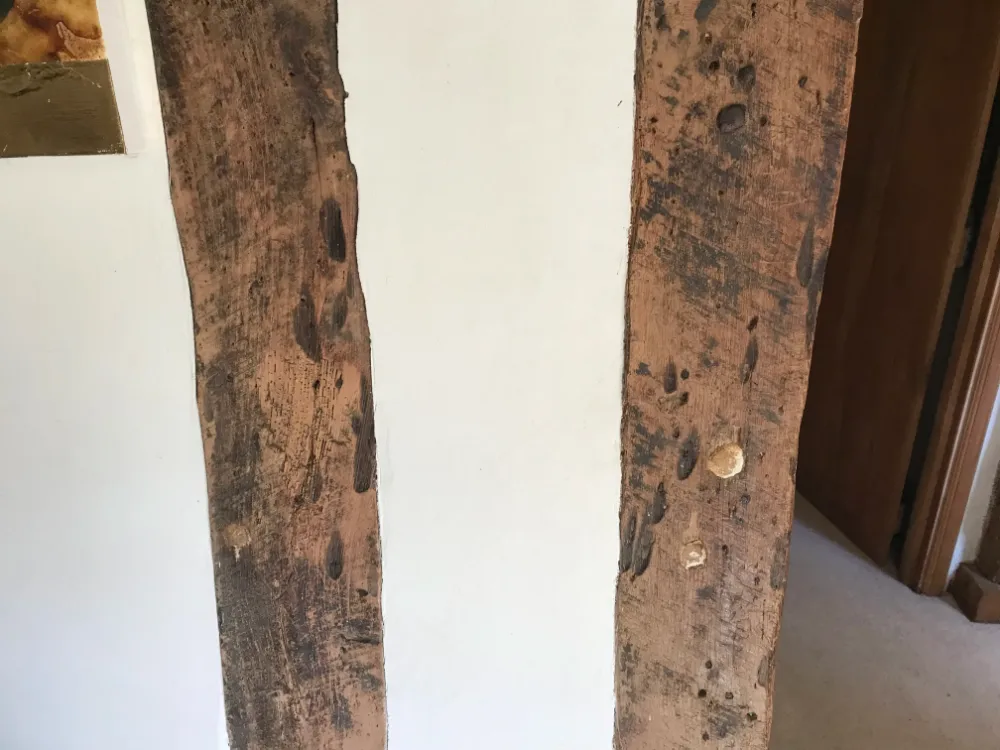
Inside, exposed timber framing provides a glimpse into the building’s early construction, while evidence of diamond-mullioned window sockets, an impressive inglenook fireplace and apotropaic taper burns (historic burn marks believed to have been made to ward off evil spirits) offer fascinating insights into the lives and beliefs of its former occupants.
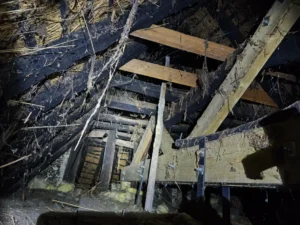
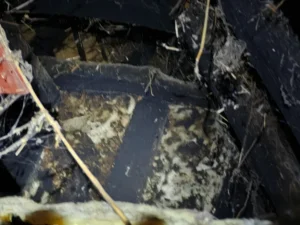
The roof space proved particularly significant, revealing a smoke-blackened crown post roof structure complete with original blackened wattle and daub infill panels. The survey also identified an exceptionally rare survival: solid oak stair treads dating from the medieval period that remain in their original position.
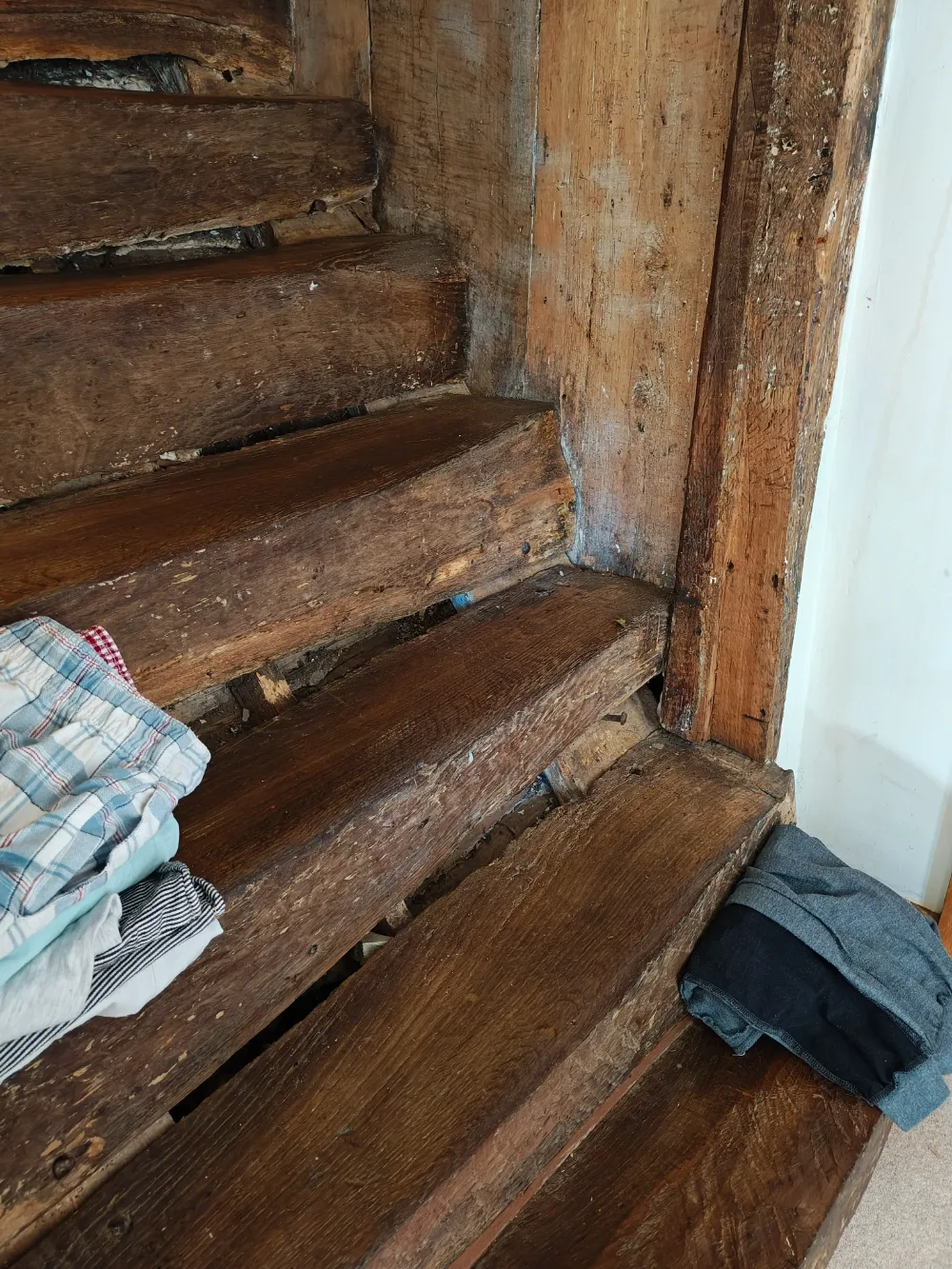
Taken together, these discoveries suggest the cottage is considerably older than its official listing indicates, with evidence pointing to an origin dating from at least the 15th century.
The survey highlights the importance of detailed investigation when working with historic buildings, helping to build a clearer understanding of their history and ensuring their significance is recognised and preserved for future generations.
To find out more about the types of reports and surveys we offer, visit our building surveys page.